Kittens may not thrive and in extreme cases can develop intestinal obstructions from adult tapeworms.
Tapeworm in cats causes.
Tapeworm infestations are fairly common in cats and veterinary treatment is very effective at eradicating them.
And a heavily infested cat will also have a rough patchy coat.
Learn the signs and symptoms of tapeworms in dogs including in poop vomit.
Mild diarrhea and appetite changes are other symptoms of tapeworm.
Vomiting diarrhea weight loss or poor appetite.
In the case of dipylidiumcaninum a relatively common tapeworm in cats is causes itching can be detected in the area near the anus of the animal.
When segments of the tapeworm break off and pass into the cat s stool they can be seen.
They rob nutrients from your cat and in large numbers cause it to lose weight.
Discover the facts about tapeworms in cats.
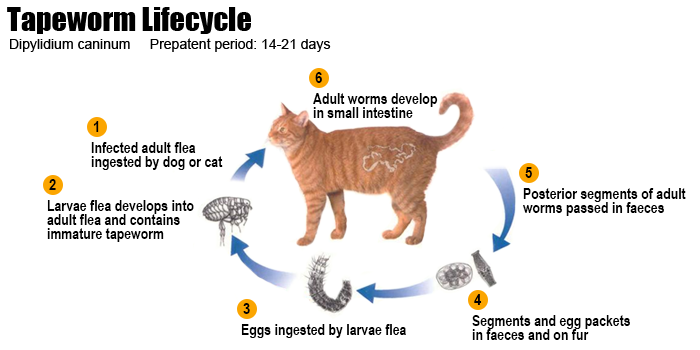
As the adult tapeworm matures individual segments called proglottids break off from the main body of the tapeworm and pass in the cat s feces.
Kittens and much older cats are especially susceptible to the adverse effects of intestinal parasites.
This is because the parasite eggs leave the cat s anus along with parts of the worm called proglottis that move through the anal area.
Tapeworms can live up to two years if untreated but often do not cause great harm to their host.
Treatment to destroy tapeworms is a critical step in preventing transmission to humans typically children and for preventing damage to your cat s body.
They are usually identified by the animals they come from for example taenia saginata from beef taenia solium from pork and.
How cats get tapeworm.
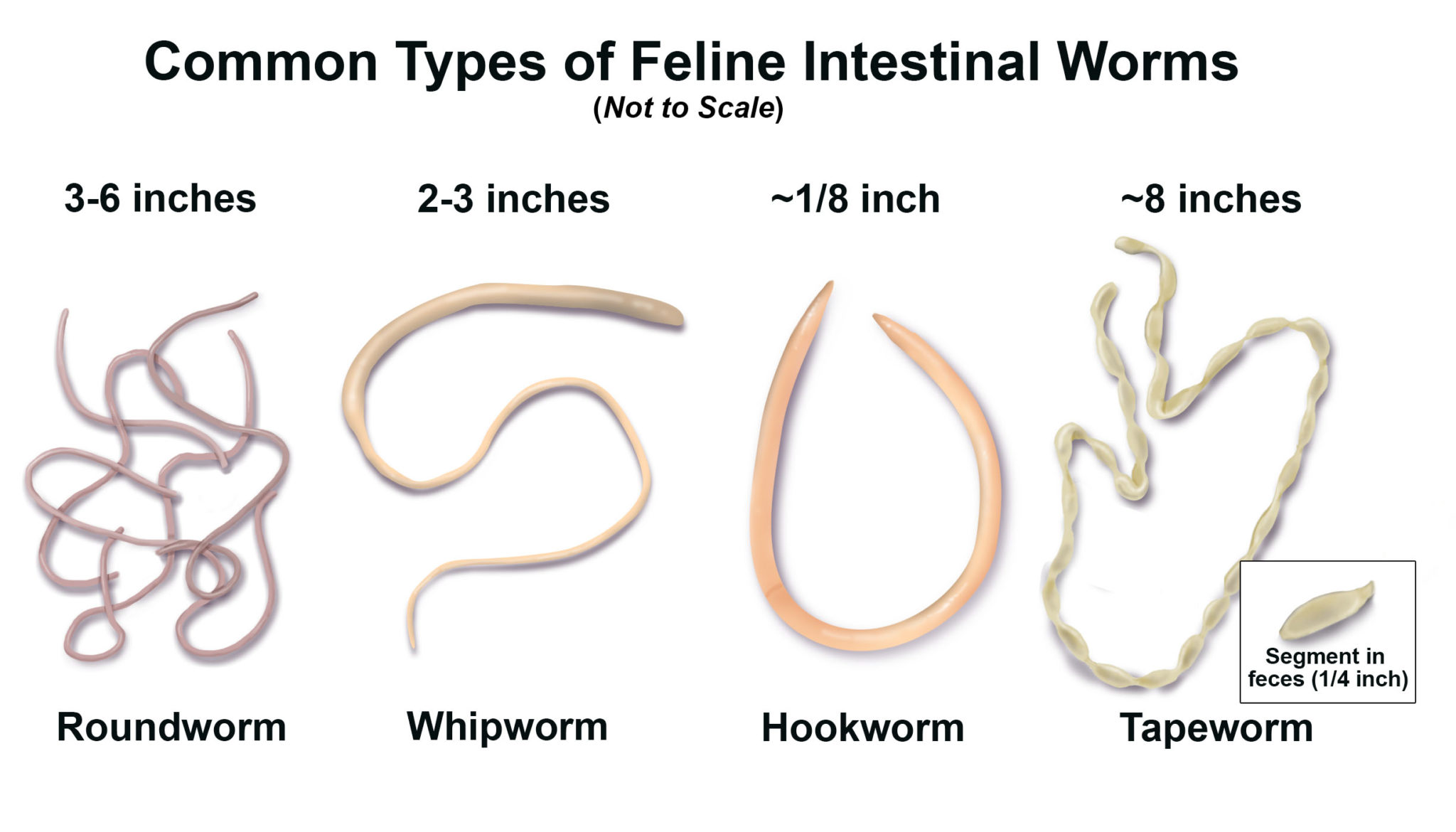
The two most common types of tapeworms infecting cats are dipylidium caninum and taneia taeniaformis.
Also use the illustrative pictures inserted in this post for better understanding.
Tapeworms are flat segmented intestinal parasites of the cat and dog.
Read on to get an insight into the causes treatment and prevention of tapeworms in cats including effective home remedies.
Cats as well as many other mammals can have tapeworm infections and they typically settle in the small intestine.
If tapeworm infections go untreated then there is the potential for cats to begin to exhibiting the typical tapeworm symptoms in cats.
These worms can grow up to 20 inches long however they are usually smaller.
The tapeworm uses its hook like mouthparts for anchoring to the wall of the small intestine.